Inspectors meeting face to face
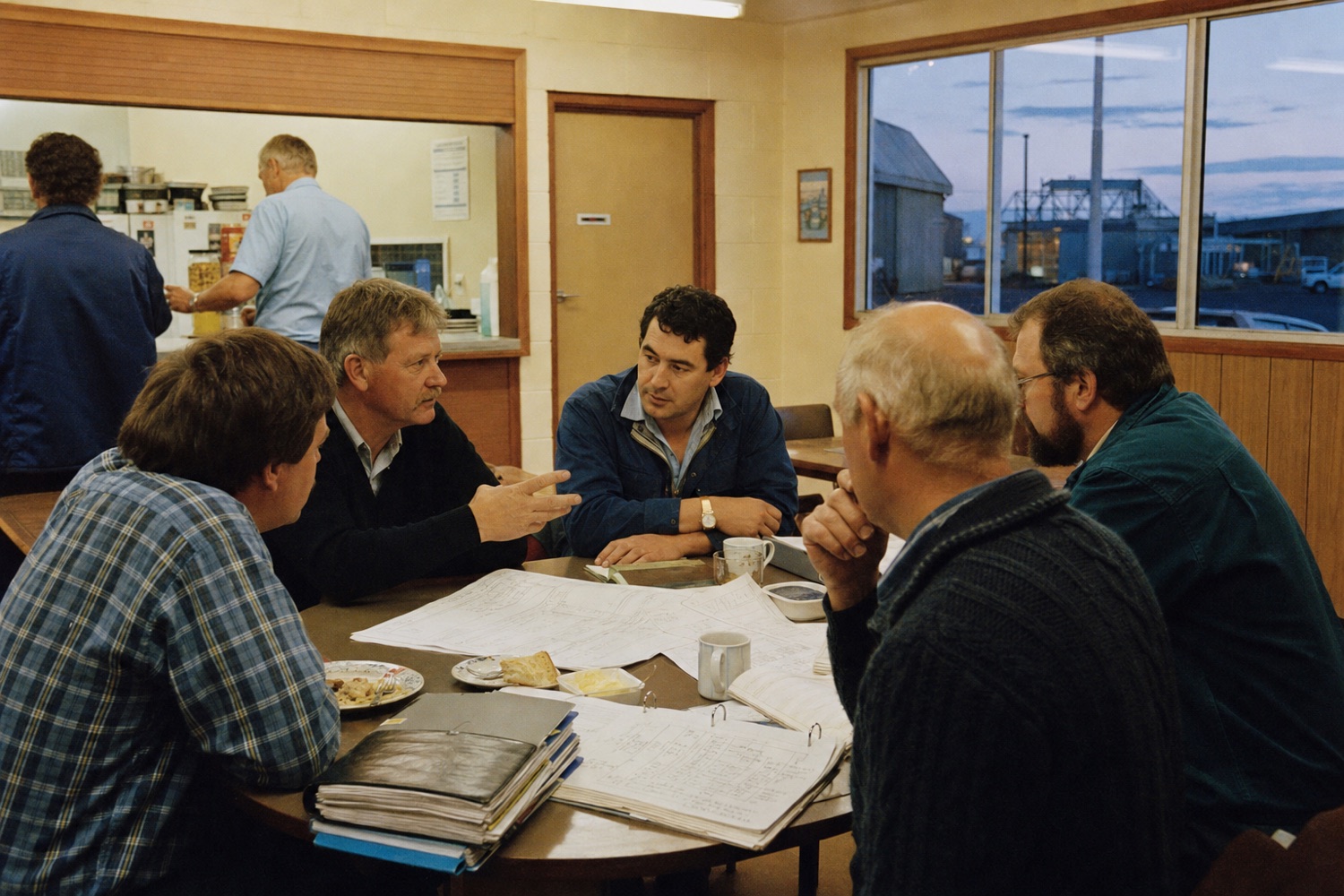
Before a formal association existed, electrical inspectors employed by electric power supply authorities gathered voluntarily as often as four times a year. Meetings were hosted at power authority depots, usually in staff cafeterias, with an evening meal provided by the host. A guest speaker, a technical supplier, or an update from WorkSafe or the Electrical Workers Registration Board (EWRB) would form the focus of the evening.
At the time, every registered inspector had to be employed by one of New Zealand’s 61 power authorities. Resigning from a power supply authority meant the Inspector registration lapsed, usually reverting to Electrician registration.
CREIA is formed
The Central Region Electrical Inspectors Association (CREIA) was formed to give those longstanding gatherings a formal home. For many years it was centred in Palmerston North, with members travelling from Wellington, Lower Hutt, Masterton, New Plymouth, Hawera, Taihape, Napier and Wairoa.
Evenings began with a social period at 5.00pm, followed by a shared meal at 6.00pm and the meeting at 6.30pm. The aim was to finish by 9.00pm so members could travel home safely, although some stayed nearby and returned the following day.
The industry restructures
Following industry restructuring, EWRB invited people holding the position of Electrical Technician, or an equivalent NZCE qualification, to submit their qualifications and experience for consideration as an Inspector. Initially, very few applicants were granted Inspector registration through this process.
Training and examinations evolve
Polytechnics around the country began offering full-time study or 18-week evening courses, held once or twice a week. These programmes combined theory and practice with site experience in specialised areas such as medical installations, hazardous areas, camping grounds and caravans, boating marinas, and network substations.
There had been no national EWRB examination for Electrical Inspectors before 1994. Each power supply authority had used its own method to assess applicants, resulting in a wide range of competencies. EWRB, or suitably experienced contracted specialists, then set three-hour examinations held around the country in June and November as required.
Connection builds consistency
The group’s purpose was to network, share ideas, educate one another and maintain consistent standards across the country. Members sometimes flew in from Central Otago or Christchurch and returned home the next day. That commitment to practical learning and professional connection became the foundation of the association that followed.
From regional roots to a national network
NZEIA was formed initially from members of CREIA. Long-distance travel had become a burden, and during the COVID period gathering large groups in one place was discouraged. The arrival of Zoom and other online meeting tools made it possible to bring inspectors from across the country together from a single location.
Today, nine regions throughout New Zealand have established active local branches. Many hold in-person meetings to socialise, discuss issues of common interest, visit technical projects and industries, and gain practical knowledge. Through every change, the aim remains the same: to be Competent, Compliant, and Consistent.